- 2365 Energy Drive Bowmanville , ON Canada, L1C 6Z9
- (905) 697-2020

Choosing the right plastics for the project begins by defining your application’s functional, mechanical, thermal, chemical, and environmental requirements. These needs help determine whether an amorphous plastic or a semi-crystalline plastic is most suitable. Once the plastic family is selected, the specific materials such as polypropylene, polyethylene, PVC, or polycarbonate can be matched to the application. The final choice should ensure reliable performance under expected loads, temperatures, and exposure conditions.
When choosing plastic materials consider these main factors in order to find the right materials for each application.
Confirm the chemicals being used in the application will be compatible with plastics being considered. Different plastics have different reactions to different chemicals.
Will the plastics be exposed to the outdoors? If so, consider factors such as UV resistance, resistance to temperature changes, and weathering.
Determine the stress on the plastics during the application. Ensure the plastics being used meet the impact, pressure, and load resistances needed.
Take into account the temperature range of the applications and confirm that the plastics being used are compatible with that range.
Consider the industry regulations where the plastics will be used. If the application is being used within industries involved with food, water, medical, agriculture, etc. ensure the plastics are safe for use in those industries.
Consider if the plastics will needed to be bent, threaded, welded, or glued and ensure the plastics being used are capable of those processes.
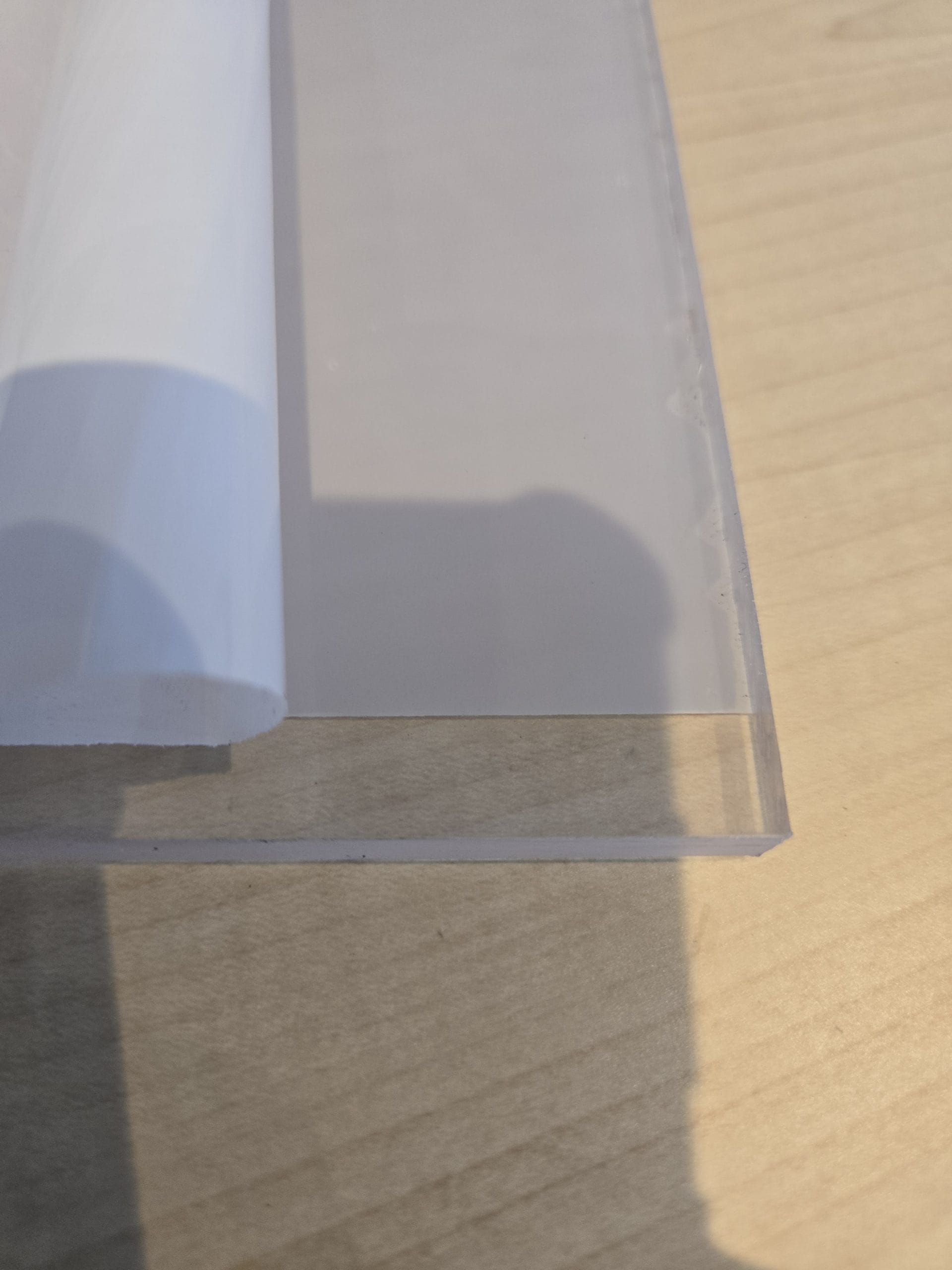
Use these additional factors to ensure the plastic materials being used are the optimal choice for the application.
Different plastics come in different colours and transparencies. Take into consideration if the application has appearance requirements and ensure the plastics being used meet those.
Consider if cleaning or sterilization processes are needed in the application and make sure the plastics being used are compatible with those methods.
Plastic materials are available to come in many different thicknesses. Determine if the application will require thinner materials for lighter weight and flexibility, or thicker materials for more strength and rigidity.
If there are weight or space requirements in the application take into consideration the weight and density of the plastics. Different plastics have different weights and densities for the same amount of material.
A chart showing the information and compatibilities of different plastic materials with different chemical use.
A chart showing information and compatibilities of different plastic materials at continuous temperature use.
Looking to see what can be done with different plastic materials? Check out our custom plastic fabrication page to see all the ways we can use different plastics to fabricate many items.
Ecoplas Industrial primarily works with PVC, High-Impact PVC, Clear PVC, Polypropylene, Polyethylene, Acrylic, and Polycarbonate.
Ecoplas Industrial is able to fabricate custom plastic tanks from a few different plastics. We most commonly fabricate custom polypropylene tanks, custom polyethylene tanks, custom PVC tanks, custom clear PVC tanks, and custom polycarbonate tanks.
Yes, Ecoplas Industrial supplies plastic sheets to clients.
Plastic Fabrication is the process of building equipment and items with plastics. We commonly fabricate plastic equipment for labs, industrial plants, chemical industries, food processing plants, and water treatment facilities.

Reach out to us and one of our technical sales representatives will answer any of your questions.